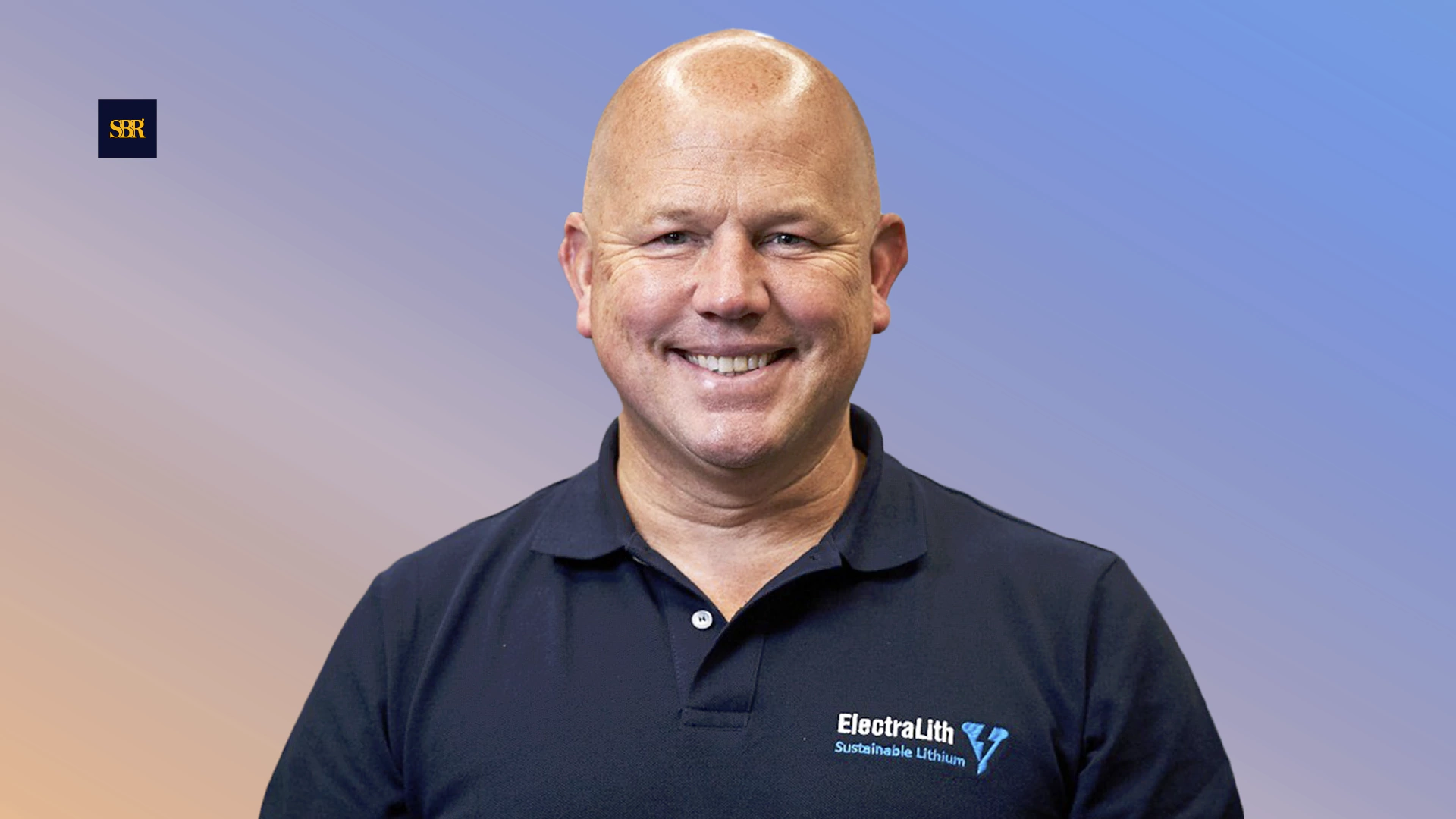
ElectraLith is an Australian technology company that spun out of Melbourne's Monash University after research led by Professor Huanting Wang at the university’s Department of Chemical and Biological Engineering developed a new electro-membrane extraction method. This method powers the company’s DLE‑R process, which produces battery-grade lithium hydroxide or lithium carbonate from brines and other lithium-bearing materials without using water or harsh chemicals and runs entirely on renewable energy. The innovation addresses environmental concerns associated with traditional lithium mining, which relies heavily on water and chemical processing, and offers a sustainable alternative for regions facing water scarcity or ecological stress.
The company focuses on meeting global demand for lithium driven by electric vehicles, energy storage systems, and expanding battery supply chains. ElectraLith emphasizes that sustainable lithium production must keep pace with industry growth to support a responsible transition to clean energy technologies. By translating university research into a patented, scalable process, the company demonstrates how academic discoveries can evolve into industrial solutions for critical challenges.
How DLE‑R Works and Why It Matters
The DLE‑R process uses a two‑stage electro‑membrane method. In the first stage, lithium is extracted from brines, spodumene leach, or other lithium-bearing raw materials through electrodialysis. In the second stage, the extracted lithium is refined into battery‑grade lithium hydroxide or carbonate without separate chemical treatments. This method eliminates the need for traditional refining steps, creating a streamlined, end‑to‑end extraction process.
In proof‑of‑concept trials, ElectraLith produced 99.9 % pure lithium hydroxide from contaminated brine containing less than 60 parts per million lithium. The process required no water or chemicals and consumed minimal energy, demonstrating that even low-grade or challenging sources could yield usable lithium
DLE‑R is modular and scalable, allowing the technology to adapt to different raw materials and plant sizes. The system can process brines from geothermal wells, oilfields, salt flats, or mineral leachate and operate in water-stressed regions while using renewable energy. By bypassing water-intensive evaporation ponds and chemical refining steps, ElectraLith significantly reduces the environmental footprint of lithium production.
Recognition and Strategic Funding
In 2025 ElectraLith was selected by the World Economic Forum as one of eight Top Innovators under the “Sustainable Mining: Mining the Unmined Challenge.” The forum highlighted the company’s method as a promising solution to meet global demand for critical minerals while protecting natural resources.
The recognition followed a Series A funding round of A$27.5 million led by Main Sequence, with participation from major investors including Rio Tinto and several venture-capital firms. The funding will support pilot plant construction, scaling efforts, and further development of the DLE‑R process.
ElectraLith’s backers include mining, energy, and investment institutions, reflecting interest in sustainable lithium production methods. The investor group strengthens the company’s credibility and provides resources to move from lab-scale demonstration to pilot-scale deployment, testing how the technology performs in real-world extraction environments.
Scaling and Operational Challenges
Scaling from proof of concept to commercial operations presents significant challenges. Electro-membrane systems must maintain efficiency while withstanding mechanical, thermal, and environmental stresses. Maintaining membrane performance, ensuring consistent quality control, and securing reliable raw material sources are essential for success.
The company must also prove consistent throughput and output quality for battery-grade lithium hydroxide or carbonate across diverse raw materials and geographies. Regulatory approvals, permitting processes, waste handling, and local environmental rules vary by region and resource type, requiring careful attention during deployment.
ElectraLith must compete on economic factors as well, including cost per tonne, energy consumption, and capital expenditure. Only if the method proves cost-effective at scale can it begin to replace traditional lithium mining and refining techniques, which currently dominate global supply.
Even with these hurdles, growing global demand for lithium driven by electric vehicles and energy storage gives ElectraLith strong motivation to scale rapidly. Successful pilot plants and consistent real-world performance could make DLE‑R a viable alternative to existing supply chains, especially in water-scarce regions or locations where traditional mining is environmentally or logistically challenging.
Why ElectraLith Matters for the Future of Clean Energy
Lithium remains a critical component for batteries powering electric vehicles and renewable energy storage systems. As demand grows worldwide, supply chains must deliver battery-grade lithium while minimizing environmental harm. ElectraLith addresses that need by using renewable energy, eliminating water and chemical usage, and offering a scalable method that can process varied lithium sources.
The technology could enable previously nonviable lithium deposits to become productive without destructive evaporation ponds or chemical refining. This reduction in environmental damage and resource consumption strengthens the sustainability of global battery supply chains.
By providing a cleaner, modular extraction method, ElectraLith supports the growth of electric vehicles and energy storage adoption by helping secure essential raw materials while reducing ecological footprint. Scientific innovation in extraction and refining allows lithium production to meet demand responsibly, giving manufacturers and battery producers a greener source of material.
Pilot plants and scaled operations will determine whether DLE‑R can reliably supply the lithium required for the accelerating energy transition. If successful, the company could influence how lithium is sourced worldwide and contribute to a more sustainable, resilient battery industry.
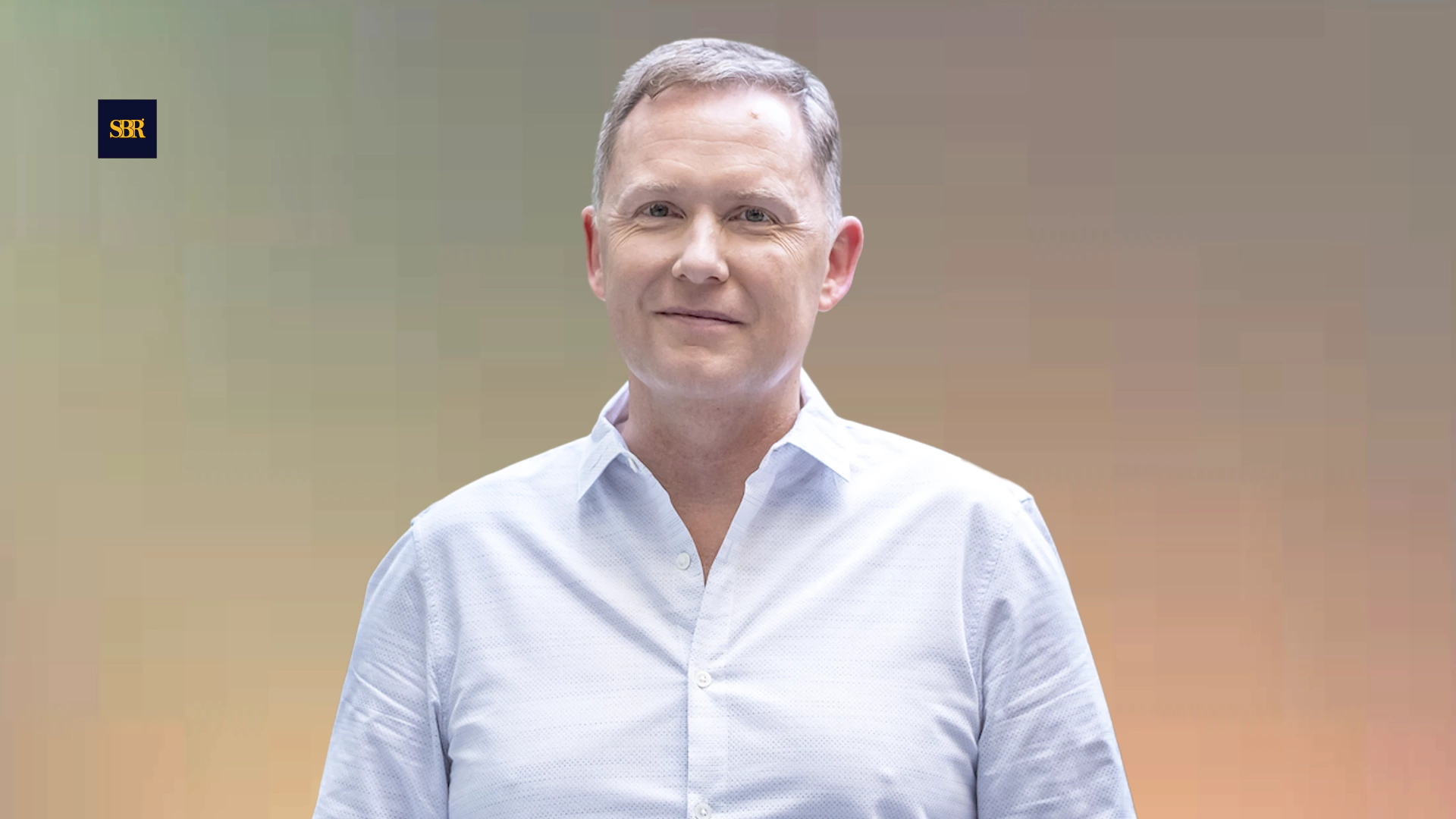
Charlie McGill, CEO, ElectraLith











.webp)